- Skills Scoop
- Posts
- What 1EdTech Summit Made Me Rethink & the AI tool to make deck creation faster
What 1EdTech Summit Made Me Rethink & the AI tool to make deck creation faster
In partnership with

✅ Inside this issue:
Cate shares her amazing doodles & her biggest takeaways from EdTech1
The AI tool to save you hours on presentations
How to make LERs work for all Americans
INTERESTING READS
🧑💻 Why Gen Z may feel unprepared for the workplace, according to employers.
🎓 What students and employers actually think about the value of microcredentials.
🧠 The case for humble leadership in the modern workplace.
🔄 Change management and AI literacy are quickly becoming core HR skills.
EVENTS

What the 1EdTech Digital Credentials Summit made me rethink
The most important conversations at the 1EdTech Digital Credentials Summit weren’t actually about credentials.
They were about learners.
In hallway conversations and outside sessions, many of us kept coming back to the same question: How can we help learners make their skills discoverable—in systems, in searches, and in conversations with employers?
Even after returning to “real life,” I’m still thinking about that question.
Translating between education and employers
At the University of Phoenix, I work at the intersection of academics and employers. Most days, that work feels like translation.
Faculty talk about outcomes and achievement. Employers talk about skills and readiness. Students are left trying to explain what they know and what they can do in ways that don’t always translate across those spaces.
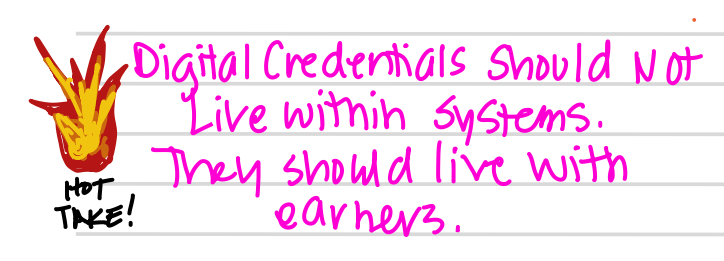
At the summit, there were thoughtful discussions about Open Badges 3.0, digital wallets, Comprehensive Learner Records, LERs, and evolving standards. I filled pages of my digital notebook with sketchnotes capturing hot takes, follow-up tasks, links to explore, and a few “aha” moments.
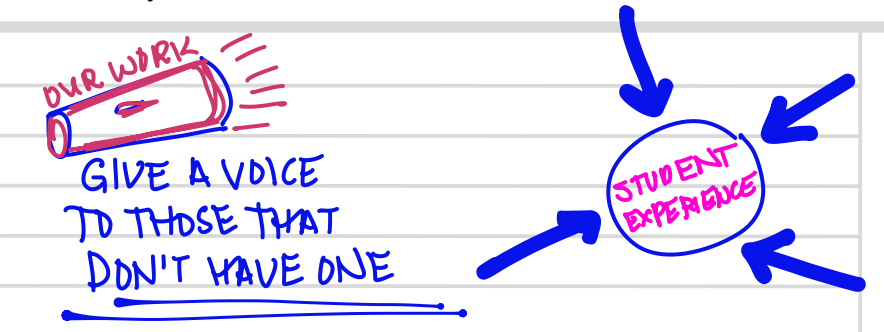
But the one line I underlined twice was: “Give a voice to those that don’t have one.”
That idea grounded everything else for me.
Helping skills travel
This work is not just about issuing digital artifacts. It’s about helping learners articulate what they know and making sure those signals can travel.
If credentials are meant to live with learners and move across systems, then standards and interoperability aren’t side conversations. They are the infrastructure that allows learners to carry their voices forward.
It’s easy to focus on growth. Launch another badge. Expand another pathway. Highlight how many credentials were issued this year.
Those metrics matter.
But what if the future isn’t just about more badges?
What if it’s about connected ecosystems that allow skills and credentials to move in the direction learners want to take them?
Making interoperability practical
For people new to Learning and Employment Records, interoperability can sound abstract. The conversation can quickly turn into APIs and technical specifications.
When I explain it internally, I try to frame it differently.
Interoperability is about designing with the end in mind and ensuring our processes actually lead there.
If our goal is to empower learners to tell their learning and earning stories, we need to equip them with resources that are shareable, portable, and meaningful to employers.
And that starts with skills.
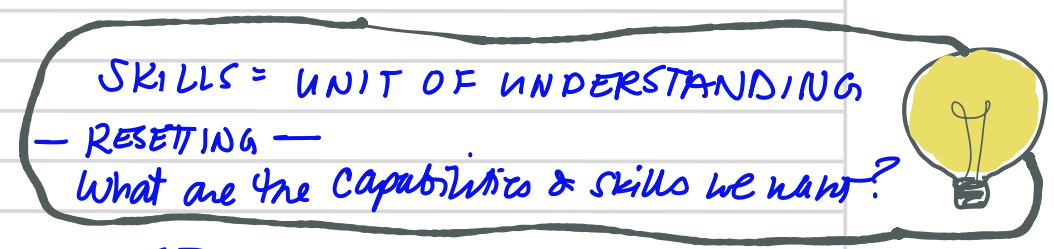
As Meena Naik shared during her panel presentation: “Skills are the unit of understanding.”
Without clear, aligned skills, a badge is simply recognition. But with strong alignment, a badge becomes something that can open doors.
The global and local tension
Another Meena Naik insight I wrote in the margins of my notes was: “Everything is becoming hyperlocal again.”
As much as we talk about global standards and interoperable systems, workforce alignment is still deeply local. Employers are looking for talent in their own communities. Institutions are responding to regional workforce needs.
But even hyperlocal work needs shared infrastructure.
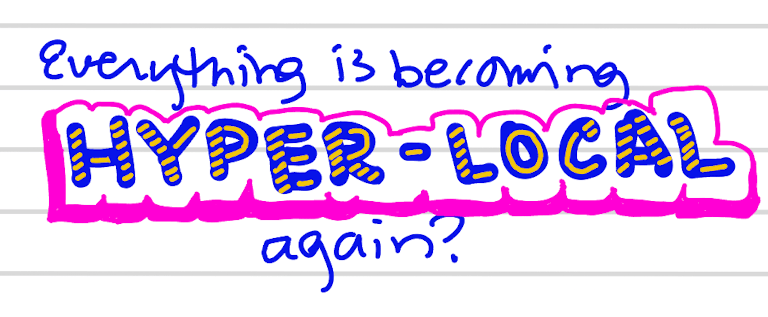
That’s where I feel the tension most—when explaining why interoperability isn’t abstract or technical, but necessary if we want local learning to have broader impact.
And I see that tension clearly in how we talk about the work.
If we don’t have shared language to explain why standards matter, we can’t make thoughtful decisions about where to invest time and resources.
Translation matters just as much as the technology.
Why I left the summit hopeful
I left the summit feeling hopeful.
Not because everything is solved, but because the conversation is shifting. Interoperability is no longer sitting on the sidelines of innovation—it’s moving to the center.
I’m excited to rethink where we focus our efforts this year and how this next chapter might bring developers, designers, and educators into more shared spaces of collaboration.
That feels like momentum.
And I’m ready to build in that direction.
 | Cate Tolnai |
TOOLS
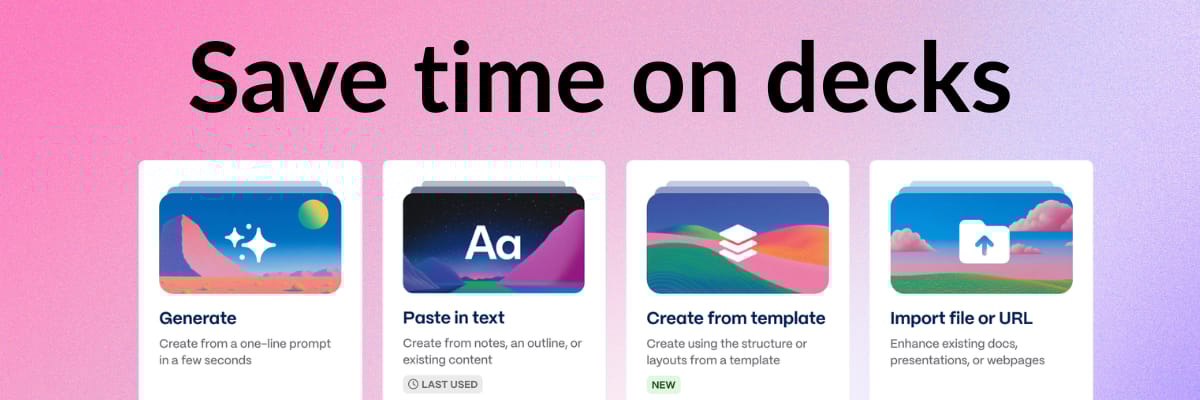
Stop getting overwhelmed by presentations
I’ve built a whole career around designing great powerpoints, but they are time-consuming and frankly I think we all have a little PTSD from staying up late before a big meeting or sales pitch making editing touches on a laborious deck.
I love a good deck, but I do NOT love the overwhelm and stress that goes into making one.
Which is why I’ll finally share the tool I’ve been quietly using for the past year: Gamma AI.
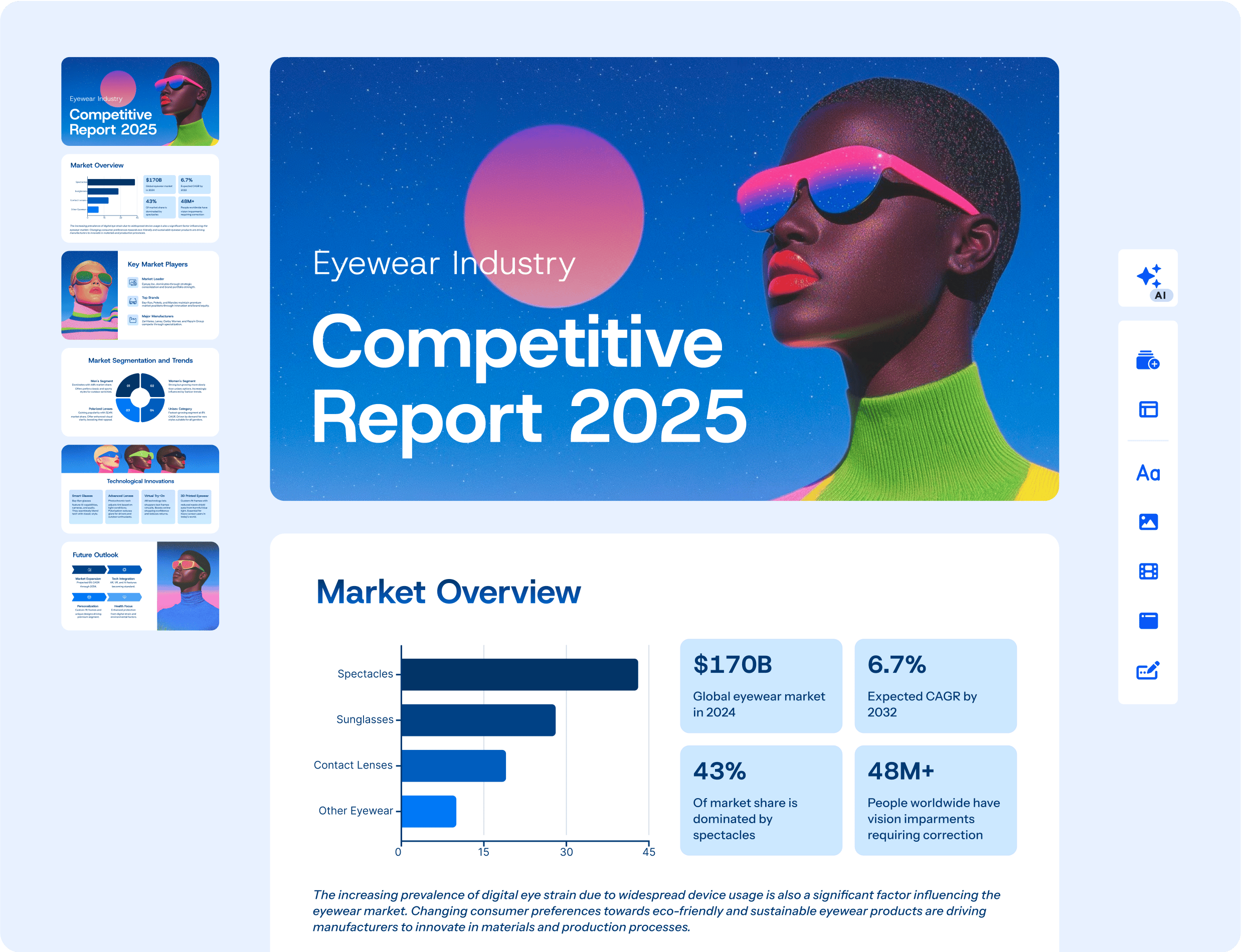 | 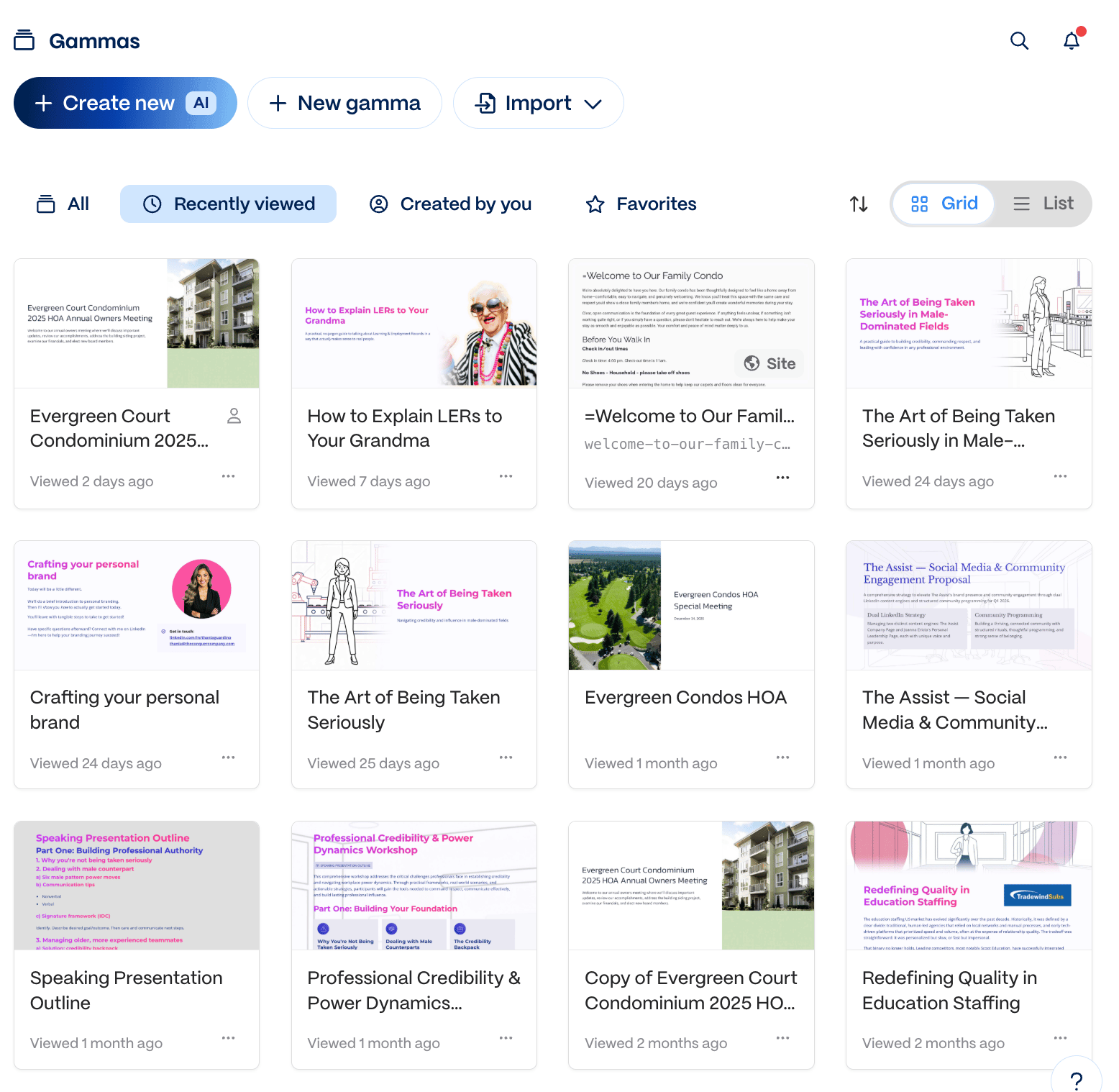 |
Gamma AI significantly reduces the time spent on designing, organizing a powerpoint.
Instead of staring at a blank slide, I drop in a rough outline and Gamma builds all the structure for me: content, layout, and visuals.
You can upload existing PDFs and other content or just feed it a plain text prompt and it produces some pretty remarkable outputs.
It’s like $10 a month and it’s honestly worth every dollar. I’ve been using it for about a year or so, and it’s significantly reduced my stress and time spent on proposals, presentations, and even HOA meeting decks!
👉Give it a try here: https://try.gamma.app/yl8pde1c2dg3
 | Thania Guardino |
COMMUNICATIONS
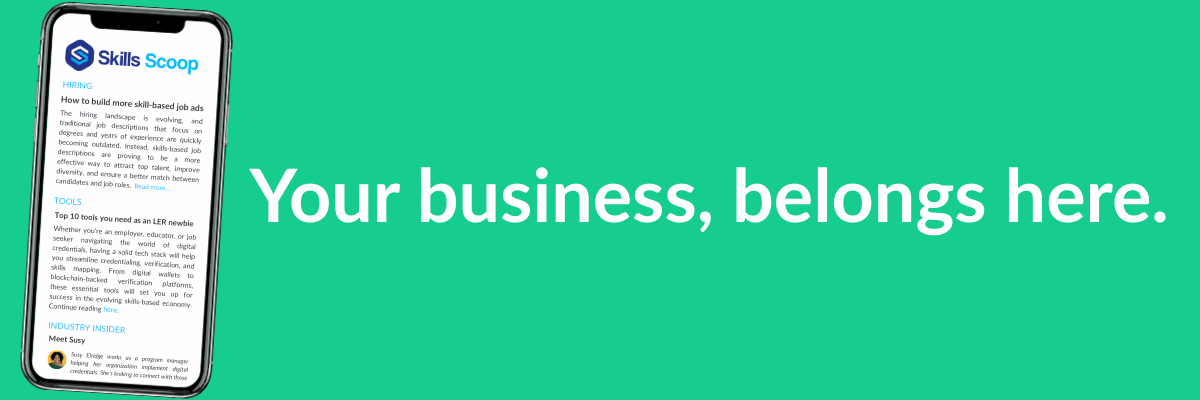
Tell your LER story to the right audience
Launching a pilot? Publishing a whitepaper? Rolling out new LER technology?
Great ideas don’t go very far if the right people never hear about them.
The reality is that Learning & Employment Records are still confusing for many stakeholders. Explaining your technology, your pilot, or your research in a way that resonates with employers, higher ed leaders, workforce boards, and funders takes thoughtful storytelling.
That’s where SkillsScoop comes in.
Our readers are the exact people shaping the skills-based ecosystem—HR leaders, workforce development executives, higher education administrators, philanthropies, and policymakers trying to understand what’s actually working.
Whether you’ve just secured grant funding, published new research, or are trying to get the right partners to pay attention, we can help you tell the story and reach the right audience:
✔ Advertise directly in the newsletter and reach decision-makers across the LER and skills-based learning, recognition, and hiring community.
✔ Get featured editorial coverage that explains your work in plain English and places it in the broader context of the field.
✔ Collaborate on messaging and communications strategy for pilots, research, ecosystem initiatives, and product launches.
✨ Consider advertising with us. Or let’s talk about our consulting and communications packages.
BY THE NUMBERS
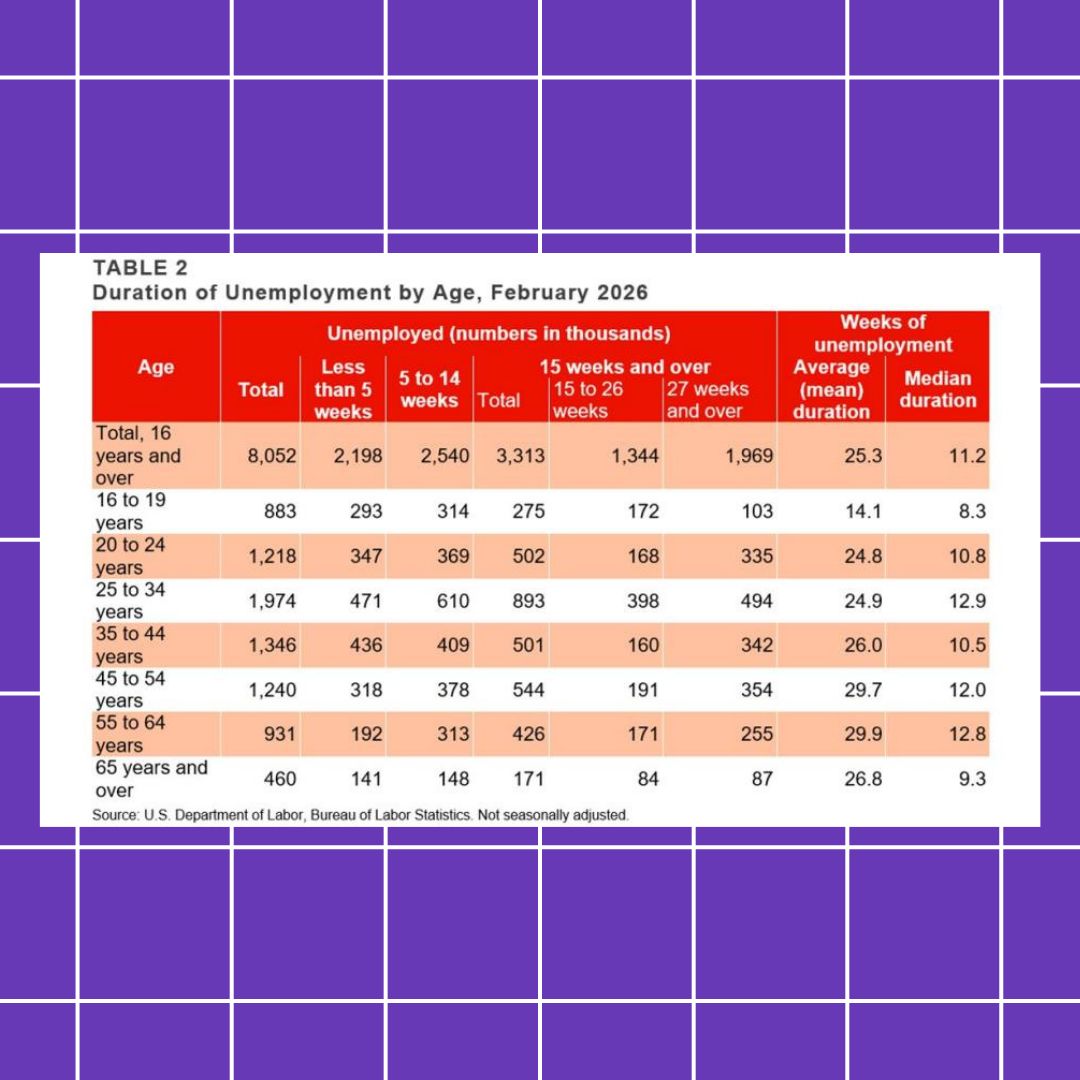
Job losses tick up in February
💡 The U.S. economy lost 92,000 jobs in February, and the unemployment rate rose to 4.4%, according to the Bureau of Labor Statistics.
Source: U.S. Bureau of Labor Statistics. (2026). Employment Situation Summary.
KNOWLEDGE
What to read, watch, and listen
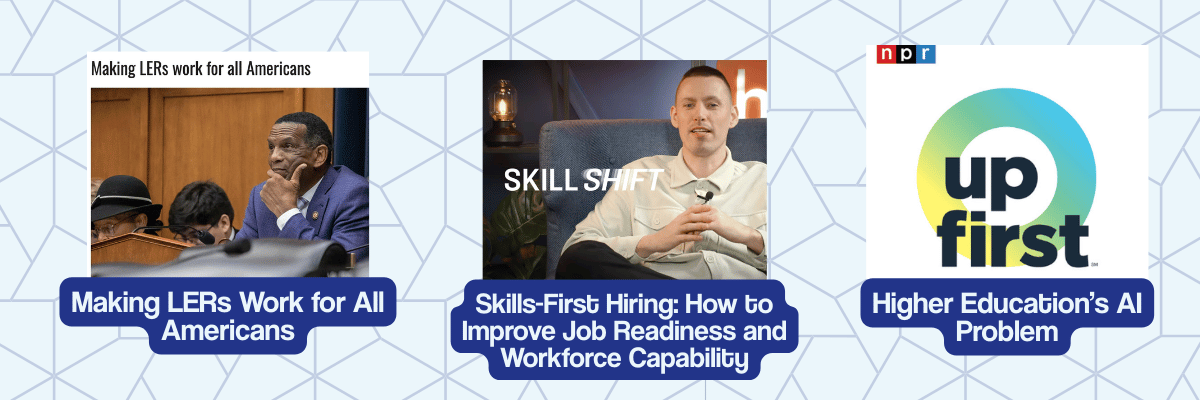
📚 Read: Making LERs Work for All Americans by Credit Union Daily
If you’ve been following the LER conversation and wondering what it actually takes to make these systems work beyond pilots, this piece is worth a look. It explores the bigger coordination challenge: how employers, educators, and policymakers need to align if Learning and Employment Records are going to deliver on their promise of mobility and transparency.
📺 Watch: Skills-First Hiring: How to Improve Job Readiness and Workforce Capability by Langan Engineering & Environmental Services
Langan’s CHRO, Donovan Mattole, offers a refreshingly practical take on skills-first hiring. His core point: too many graduates look qualified on paper but still aren’t ready for day-one work. This conversation walks through how his teams are shifting toward measuring real capability.
🎧 Listen: Higher Education’s AI Problem from NPR
AI is already reshaping how students learn and how institutions think about assessment, integrity, and skill development. This NPR segment digs into the tension universities are facing as AI moves from novelty to an everyday tool.
FOR FUN’SIES

Your Tax Data, Finally in One Place

Are you tired of hunting down data, fixing errors, and manually updating disconnected spreadsheets?
Tax reporting isn’t a simple as it used to be. You need real-time, flexible reporting so you can confidently make decisions backed by accurate, centralized data.
Learn how bringing all your tax information into one central system automates repetitive tasks, improves scenario planning, and frees your team to focus on strategy instead of data entry.
Whether you operate in one country or dozens, Longview Tax scales with you—reducing risk, speeding up your close process, and helping you optimize tax policies across all jurisdictions.
💌 Have more feedback? Reply to this email and tell us. We read each one.
🗣️ Want to be featured as a contributor? We’re looking for industry experts to write editorials.
😬 Got a correction or a “well actually”? Send it our way: [email protected].